Understanding Exercise, Insulin Sensitivity & Blood Glucose In Type 1 Diabetes
exercise is an essential tool for type 1 diabetics.
At OneTribe Diabetes, we firmly believe that exercise should be an essential tool for type 1 diabetics in order to optimise their diabetes and glucose control.i
improved insulin sensitivity.
Type 1 diabetics benefit in immense ways from improved insulin sensitivity, it makes every part of management more straightforward and one of the most holistic ways to do this is through movement and maintaining a healthy body composition.
healthy body composition for t1d’s.
Unfortunately online there is so much conflicting information about management surrounding exercise, what to do and what not to do, often met with sweeping, one size fits all statements which simply do not work.
blood sugars.
Your body's response to exercise is impacted by a magnitude of things, such as exercise type, intensity, duration, experience and fitness levels, the climate, altitude and so many other things that will alter how your blood sugars respond. You need to be able to identify, how the style of exercise you take part in, impacts your bloods and then account for that in pre and post workout protocols to mitigate the cause of exercise induced highs and lows. Once you have been able to establish this, you can feel confident going into your training sessions knowing that you have strategies in place to enjoy your sessions without diabetes getting in the way.
If you want deeper guidance around training, insulin timing, glucose stability and exercise strategies as a Type 1 diabetic, you can explore our Elevate Membership for more structured support and education.
exercise induced highs and lows for t1d’s.
Ideally to test this theory and begin establishing your protocols, you need to follow this structure.
Go into the exercise with little to no insulin on board, this is going to mean that the impact of exercise is not going to be influenced further by insulin (initially), once we can determine your bodies response without it, we can also add steps to account for your bodies response with it, which is often more intensified.
track blood sugars.
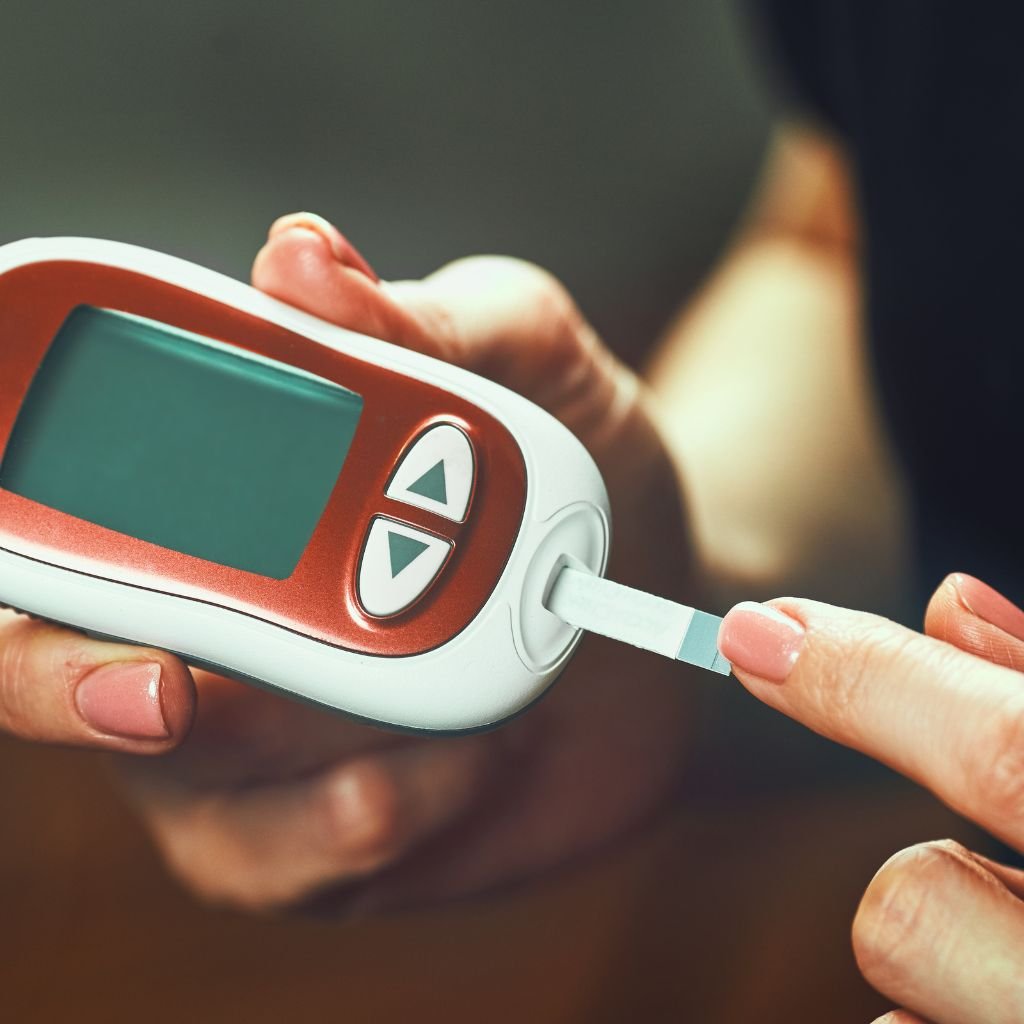
Track blood sugars before training starts, during training, immediately after and then every hour for the next 8-12 hours post workout.
Identify when you are noting signs of resistance and when you are noting signs of sensitivity. Both of these factors will peak and trough in different places depending on the factors discussed.
insulin and carb intake.
You can now think about how to best manipulate your insulin and carb intake to mitigate any highs and lows, for example - if you spike while training your lower body in the gym and drop in the 4-6 hours following, you can take some insulin pre workout, and reduce your bolus in the sensitivity window. You determine how much by tracking your data and adjusting accordingly.
When additional insulin is thrown into the mix, remember the effects are intensified, so account for this in your protocol adaptations.
Over time, as you become more experienced in a sport or type of exercise, the impacts may change as you get fitter, you will need to account for this with adjustments surrounding your pre and post workout adaptations.
t1 diabetics combat highs and lows during your training.
I am going to outline typical responses to varying forms of exercise so you can gauge an idea of how your body may respond and start thinking about ways to combat highs and lows, however there are exceptions to the rule and this does not mean you are doing anything wrong, it just means your body responds differently.
Slow paced steady state walking - general improvement to sensitivity and natural decline on bloods
Moderate to long run - more intense sensitivity increase, larger decline on bloods
Swimming - more intense sensitivity increase, larger decline on bloods
Tennis / football / basketball training - bloods can vary between stability and slight sensitivity depending on intensity, the more intense the more likely things are to remain stable, the sensitivity usually peaks in the hours following
Rugby / american football training - more likely to experience resistance with this type of training due to the intensity of the sport, sensitivity likely to surge in hours following
Match of any kind - more resistance throughout due to the stress hormones, sensitivity to occur in hours following
Gym / Hypertrophy - resistance throughout due to stress hormones and glycogen, sensitivity peaking between 2-8 hours post training
HIIT - resistance throughout due to stress hormones and glycogen, sensitivity peaking shortly after the session
tips for reducing exercise induced lows / cardio induced hypos.
Some tips for reducing exercise induced lows / cardio induced hypos
Limit IOB ahead of session to prevent insulin exaggerating sensitivity impact
Start your session slightly elevated / higher end of range to allow for the decline
Introduce intra workout fuel, topping up with carbs per 30-40 minutes for example, using your data to calculate how much is needed
post workout reduction.
Do not forget to utilise a post workout reduction to limit the risk of going low in the hours following, the % needs to be identified using your data to solidify this.
Basal reductions if your basal is applicable, it will vary depending on intensity, for example a leg day basal reduction needs more than shoulders because the bigger the muscle group trained the larger the impact on bloods.
If on MDI it is important to consider that when making basal changes daily for things like a highly active day, your basal has a steady state, if yours is long (for example Tresiba) a basal change will not take effect fully for around 3 days, so you need to work more closely with your rapid insulin to account for short term changes.
Do not let the varying impact of bloods put you off exercising as a type 1 diabetic, identifying what works for you can take a little bit of time and teething work, but the pros far outweigh the cons, and once you have a good routine with it, there's nothing better you can do for yourself than establish a good and consistent routine to help make management easier.
control of your Type 1 diabetes.
We have seen clients' insulin requirements improve dramatically, often by over 50% less insulin being needed, when introducing regular and effective workout routines, which decreases the risk of post-prandial spikes, reduced pre bolus times and overall control.
insulin sensitivity.
You will note an overall impact on insulin sensitivity through exercise, not just in the hours surrounding it, this is due to increased muscle mass and fitness levels, so you need to adapt your bolus technique either side of exercising, but you will also likely need to account for overall decreasing insulin needs with things like basal rates and general ratios aside from the reductions overtime.