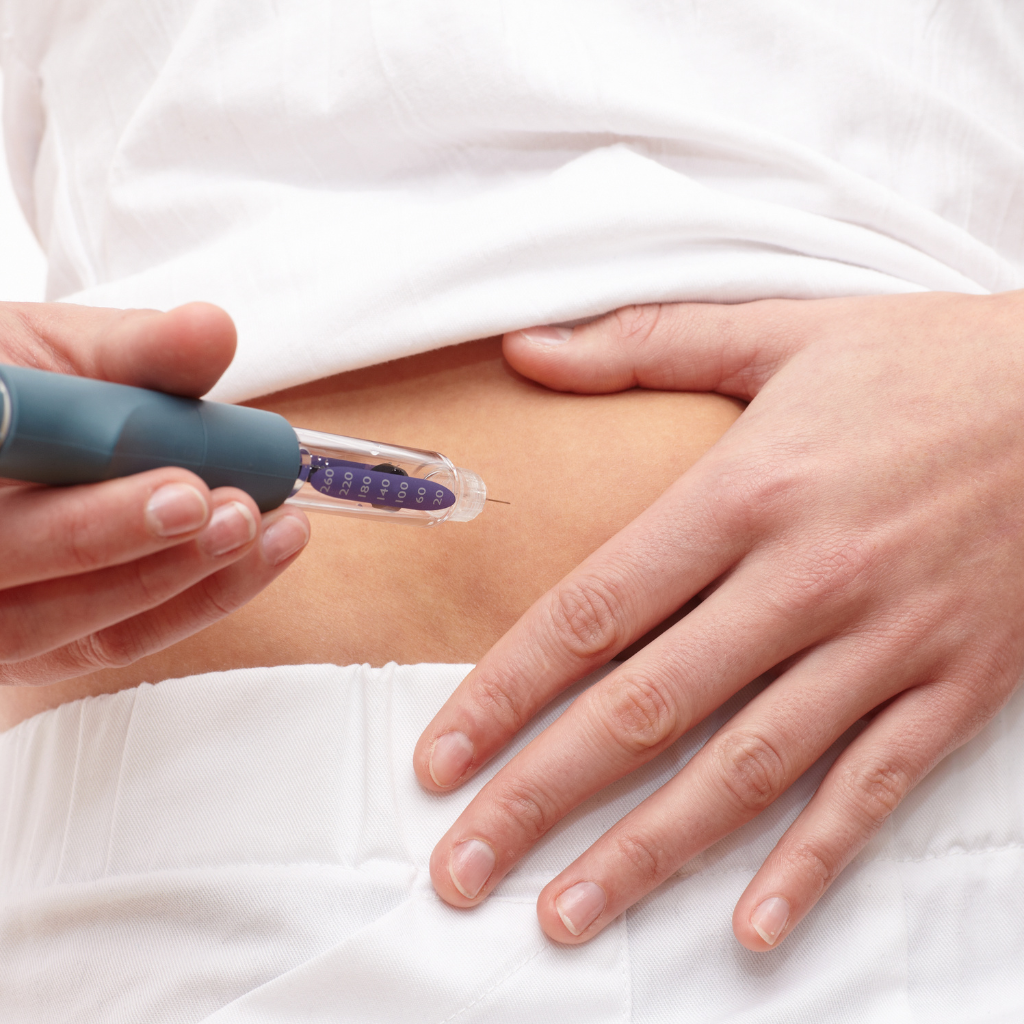
MDI / Multiple Daily Injections
If you are someone who still utilises MDI as your means of managing your type one diabetes
I am sure you are well accustomed to the influx of questions regarding why you don’t use a pump and/ or pressure to move onto one from your healthcare team.
I am a huge advocate that you must control your diabetes in whatever way you are most comfortable with
your healthcare team see you annually if you are lucky, sometimes slightly more and sometimes slightly less, but the point is, they certainly do not go home and live with your diabetes, all day everyday, 247, 365. So if you prefer MDI, stand your ground and advocate for yourself with that. I for one much prefer pens because I hate the thought of handing my control over to technology that could very easily fail me in ways I have zero control over, and I know many other people feel the same way. Some people love the pump and the pros outweigh the cons, I equally support those people, because at the end of the day,
we should all be allowed to do what is best for us, from a health perspective but also a mental perspective too!
I myself have wonderful control on MDI, I have sustained a non diabetic HBA1C on pens for over 6 years and have helped many other diabetics to do the same. There are certain techniques and tools that can be utilised to make life on MDI more effective.
If you want to learn exactly how I approach MDI management, insulin adjustments and day-to-day decision making, you'll find much more detailed guidance inside our Elevate membership.
You must firstly use insulin types that suit your needs, your insulin sensitivity and your body. There are multiple types of rapid and background insulin, some will work with you and others you may not have such a good time with, it is important that you understand the way the insulin works, its onset, steady state, action time, peaks and consider if that suits you. For example, an athletic female with a natural hormonal cycle, would likely not be well suited to a basal insulin such as tresiba, because it has such a long steady state, the time it takes for adjustments to kick in, is the time it takes for sensitivity to change again, when someone who fits into this category, will likely need differing basal rates almost daily, which Tresiba can just not account for. Something like Levemir or Lantus would be much more appropriate. Similarly, if you are someone with poor insulin sensitivity and you are finding that your pre bolus times are excessive and getting in the way of day to day living through having to wait so long after taking insulin to eat, a switch from something like novorapid to Fiasp could be really beneficial for you, since the onset is quicker and can help to reduce your pre bolus window slightly.
A half unit pen is always worth having
so many times I have been met with rebuttals about this, claiming that half unit pens are for children only, but half a unit can make all the difference, particularly if you are sensitive to insulin and lead an active lifestyle. Ideally you would have access to a half unit pen for both your basal and bolus insulin in order to gain as much accuracy as possible with both of your insulin. If your pancreas worked properly, it would not only produce insulin in increments of one unit and we want to mimic a working pancreas to the best of our ability, something as small as a half unit pen can really help us achieve this to a better standard.
There are now such things as smart pens, where your pen will record when you last took insulin and how much you took and feed that information to your free style libre, this is an incredibly helpful tool for anyone using MDI
it helps us recall exact doses and alleviates room for uncertainty, when it comes to things like insulin on board and decision making. It can provide clarity for those of us using MDI when life is going quickly, its easy to forget whether you definitely took your basal, or what time exactly you took your lunch time insulin, this clears up any confusion.
If you do not have access to a smart pen, I highly recommend logging your insulin doses into your CGM tracking system or a manual log book or your notes app, somewhere that you can refer back to when making decisions to prevent you from being reactive to a situation without having all of the relative and definitive data to support your decision.
Without fail, you must be consistent with changing your needles on MDI
scar tissue and lipohypertrophy can build up easily, which makes insulin absorption and predictability poor, to reduce this risk, needles need changing and sites need rotating.
It is really helpful to understand how varying sites impact your absorption rate so you can then use it to your advantage
For example, the thighs or glutes should really be reserved for basal insulin, or microdoses of insulin in which you want your insulin to absorb slightly slower due to the slow digestion of foods from fats and protein. The arms and stomach are quicker to absorb, so these sites are better for rapid insulin, particularly bolus one when covering onset digestion or taking a correction dose to fix a high, the stomach will generally be the fastest absorbing site so it makes sense to inject corrections mainly into the stomach site.
In addition to this,
make sure you have mastered the art of micro-dosing on MDI
rapid insulin does not naturally align with high protein and high fat meals - Digestion, Profiles & Bolusing, so you must gain a deep understanding of digestion profiles and making that work in conjunction to the higher macro meals that can wreak havoc on bloods when taken in one dose. This, in my opinion, is one of the most important things you must master as an MDI user, since you do not have the option to extend boluses or temp basal increase!!
If you'd like to explore more practical Type 1 diabetes education, visit the ONE HUB Resources where you'll find more articles covering insulin, exercise, hormones, digestion and everyday diabetes management.